
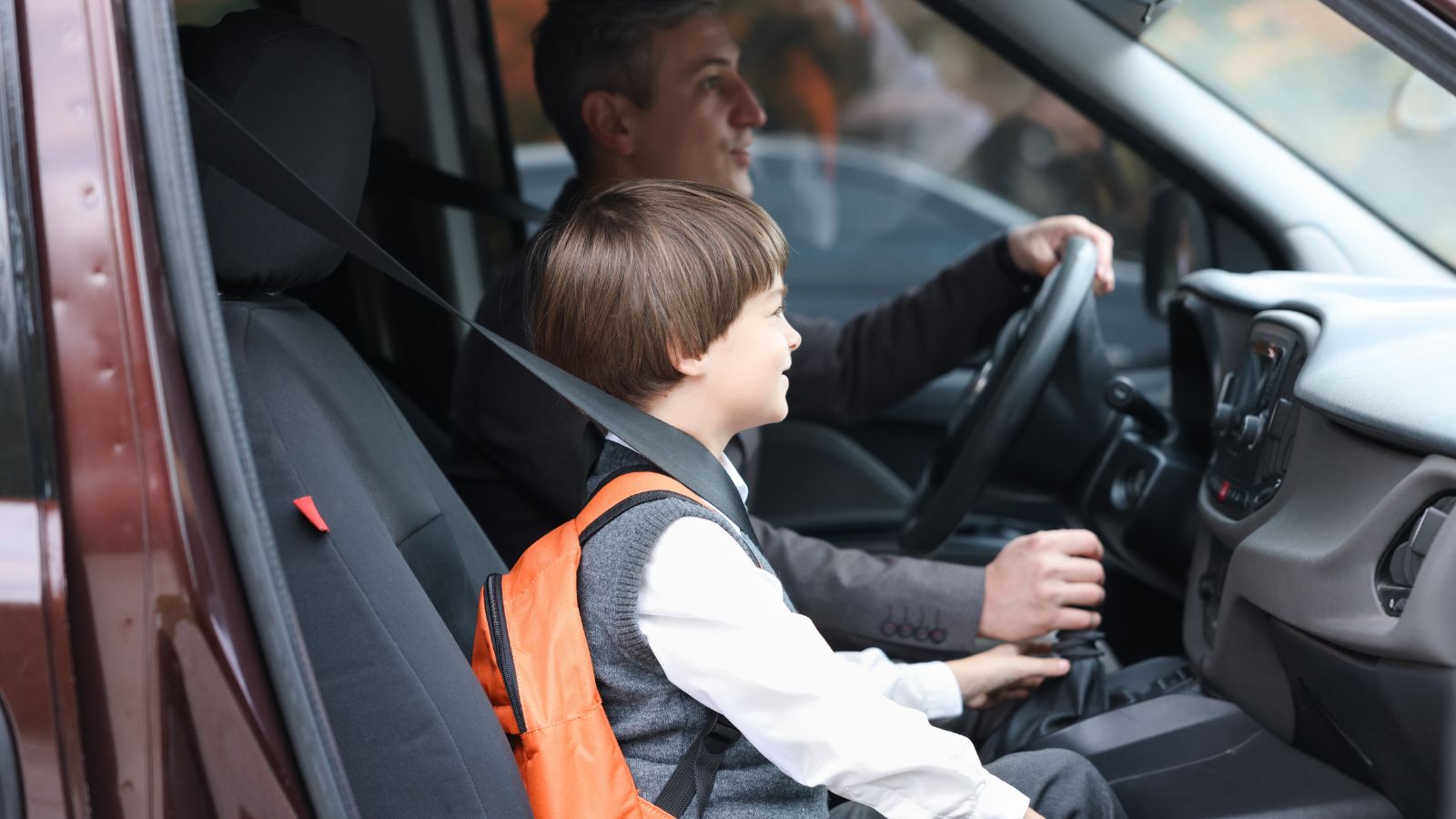
Younger drivers need to be extremely careful when they get behind the wheel. Family members are encouraged to have a supportive discussion about the risks and do this to help protect their younger person when they start to drive.
Insurance companies charge higher auto insurance premiums for a young driver (who is someone between the ages of 16 and 24). Insurance companies also apply the highest risk ratings to drivers under the age of 25. If you are younger than 25, you may find it difficult to rent a car for this reason.
Ask any car accident lawyer about young drivers who cause a crash, and most will tell you the statistics show they are much more likely to get into an accident due to inexperience, distracted driving, and risk-taking.
The National Highway Traffic Safety Administration (NHTSA) reports some chilling statistics about young drivers, which are:
- 16– to 19-year-old drivers have fatal crashes almost three times more frequently than drivers who are older than 20.
- Over 3,600 people are killed each year in the USA by a car accident caused by a younger driver (age 16 to 19).
- Teen drivers have the highest rates of fatalities in a car crash of any group.
Consider some of the common problems facing teen drivers, which may cause car accidents.
Inexperience Behind the Wheel
New drivers need a lot of practice to become safe drivers.
Overconfidence
Young drivers may not recognize their skill level (or lack of skills) when it comes to driving abilities.
Distracted Driving
Dangerous distractions can come from driving while using a phone, using apps (such as Google maps), and talking with passengers.
Speeding
Going too fast is often the cause of an accident.
Risk-Taking Behavior
Risk-taking may feel thrilling, but is extremely dangerous for younger drivers to engage in.
Peer Pressure
A younger driver may be influenced by friends to do something stupid.
Driving at Night
Younger drivers may want to drive at night more frequently.
Lower Hazard Perception
The skills needed to recognize road dangers may not have been learned yet by a younger driver.
Delayed Reaction Times
In complex situations, reacting quickly and appropriately may help avoid an accident. Being too slow to decide or making a bad decision about what to do can cause an accident.
Failure to Recognize Dangerous Conditions
Experienced drivers may have more skills in dealing with dangerous conditions than a younger driver. An example of this is black ice that may form under an overpass on the highway. It is invisible and may cause the car to skid out of control without warning. An experienced driver may know about this, when a younger driver may not know it.
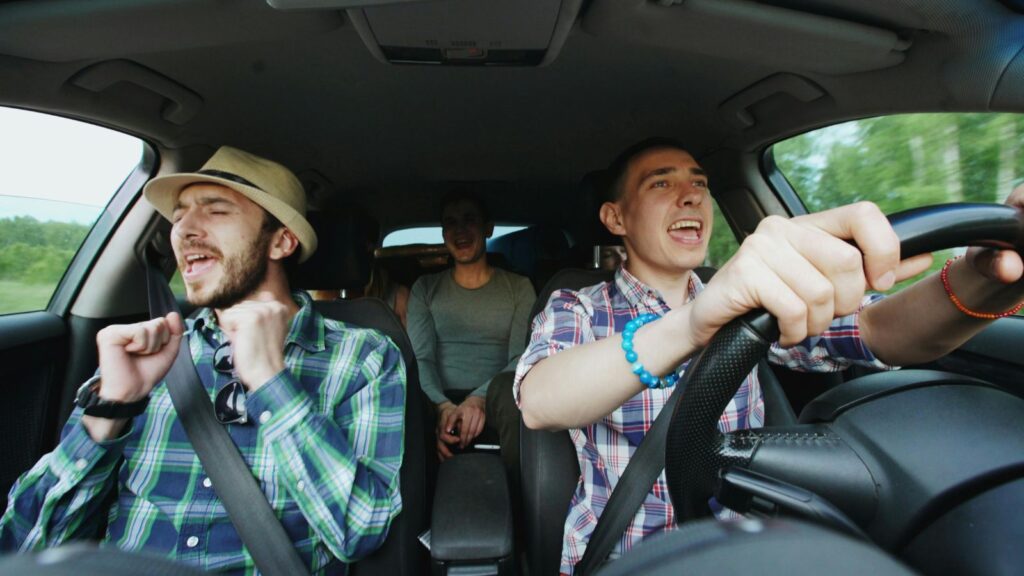
Following Other Vehicles Too Closely
A frequent cause of auto accidents is following another vehicle too closely and being unable to stop in time when the driver of the vehicle in front hits the brakes. This happens a lot in heavy stop-and-go traffic. When a younger driver is in a rush to get somewhere, this problem of following too close is a bad idea that should be avoided.
Not Using Seat Belts
Failure to wear a seat belt can be fatal in an auto accident.
Driving Under the Influence of Alcohol
The use of alcohol impairs a driver. Even one alcoholic drink is enough to cause impairment.
Driving Under the Influence of Drugs
Not only is the use of recreational drugs a cause of car accidents, but prescription drugs and over-the-counter medicines can also cause impaired driving.
Fatigue and Drowsy Driving
A common problem causing drowsy driving is road hypnosis. This is where the road causes a person to zone out, and accidents may happen when young drivers fall asleep at the wheel.
Lack of Defensive Driving Skills
Defensive driving is a skill that is very useful to learn for drivers of all ages.
Poor Decision-Making
A younger driver may panic and make a bad choice when having to make a rapid decision under pressure.
Overestimating Ability
Young drivers may not know what they do not know.
Limited Knowledge of Traffic Laws
Drivers who are new learners need time to understand all the intricacies of the traffic laws.
Aggressive Driving Behaviors
Driving feels powerful, and this exciting feeling may cause younger drivers to be more aggressive.
Bad Weather Conditions
Young drivers may not realize that they need to slow down when driving in bad weather and be extra careful.
Underestimating Distance Needed to Stop
Not being able to stop in time due to road conditions is a common cause of car accidents.
Lack of Experience with Emergency Maneuvers
If you have not practiced an emergency maneuver, it may not come automatically, such as turning the wheel in the direction of the car’s slide to correct for the slide.
Driving Older Vehicles
Most young drivers start out driving the family car or a used car. Because the budget to buy a car may be limited, the vehicle may be older and not as well maintained as it should be, which may cause a problem.
Impulsive Actions
Young people have a higher tendency to take impulsive actions that may cause an accident.
Greater Risk Exposure Due to Frequent Driving
Young people are usually excited about the freedom they feel from being able to drive and may spend lots of time driving around.
Improving the Odds for Young Drivers
It is highly recommended for young drivers to take a defensive driving course and get practical experience under the guidance of a qualified driving instructor. Parents should understand that a professional instructor can do a better job of training their young driver. It’s worth the investment in a defensive driving course when your child’s life and other people’s lives are at risk.
If your young driver gets into an accident, be sure to work with a tireless car accident lawyer to manage the situation.