
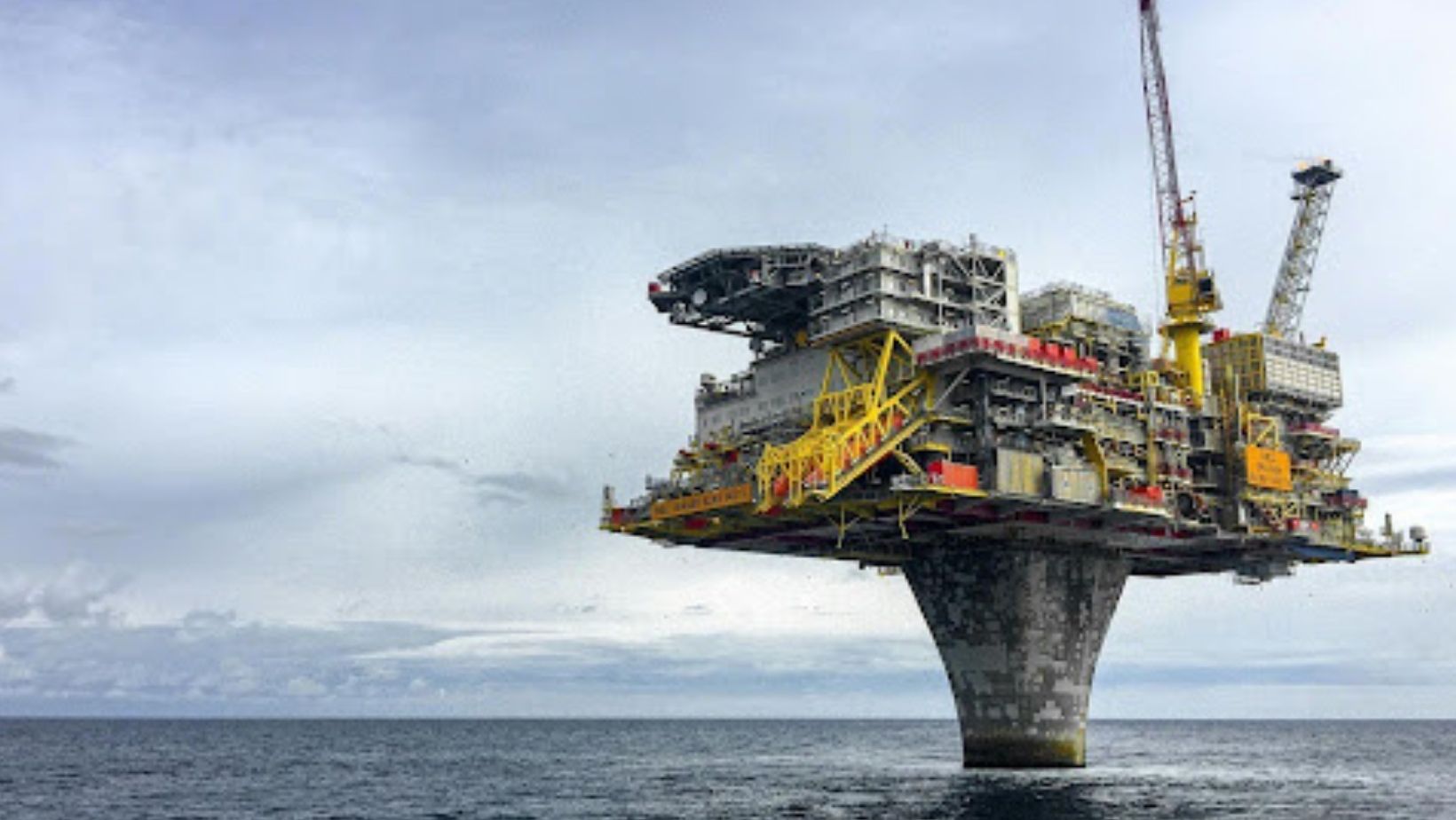
In oil and gas operations, failures often stem from small machining inaccuracies that only become visible under real operating conditions, so what looks acceptable on paper can behave very differently in the field.
Because of this, precision machining is not just a manufacturing step, but rather a core capability that ultimately determines whether an engineering service delivers safe, reliable, and long-lasting results, or instead introduces risk into critical operations.
Why Precision Machining Impacts Safety and uptime.
Precision machining directly affects whether components perform reliably or fail under pressure, and in oil and gas environments, tolerances are not just about fit because they influence containment and safety,
For example, a high-pressure valve with a slightly uneven sealing surface may pass inspection initially, but once it is exposed to sustained pressure and temperature cycles, that minor flaw can escalate into even safety incidents.
So while precision machining is often seen as an added cost, in practice it reduces rework, lowers failure rates, and minimizes maintenance, which is why in oil and gas, precision is not a premium feature but a form of risk control.
What Precision Machining Really Means
Precision machining is often misunderstood as simply using advanced equipment, but in reality, it is about achieving outcomes that remain stable under real operating stresses.
For instance, threaded connections in pressure systems must engage smoothly and withstand repeated use, so if the thread profile is slightly off, it may still assemble but performance tends to degrade over time.
The same applies to mating surfaces, because components may appear to fit, yet without proper flatness and surface finish it begins to form micro-gaps, and under pressure, these gaps gradually turn into failure points.
So the key distinction is this: general machining focuses on acceptable limits, while precision machining prioritizes tight tolerances, and repeatability. CNC technology certainly plays a role, but outcomes depend just as much on process control and verification, which is why in high-risk environments like oil and gas, standard machining is not enough.
How Precision Machining Fits into Real Workflows
Precision machining is integrated across the entire lifecycle of components, from design through to final inspection, so it is not a standalone step but part of a broader engineering process.
At the design stage, engineers define tolerances based on pressure and performance requirements, and these specifications are then translated into machining instructions, which is where collaboration between engineers and machinists becomes critical.
In many cases, initial production runs reveal distortions or performance issues, so adjustments are made before moving into full-scale production. For example, a pump shaft may require changes in machining strategy to maintain alignment once installed, and these small adjustments tend to have a direct impact on lifespan and reliability.
Because of this, it becomes clear that precision machining is not just manufacturing, but part of ongoing engineering problem-solving.
Critical Components That Depend on Precision
Certain components are highly sensitive to machining accuracy, so they quickly become failure points if tolerances are not met.
Valves are a clear example, because their sealing surfaces must be machined with high precision, and even minor imperfections can lead to leakage once the system is under pressure. At the same time, pumps and pressure systems rely on tight clearances and correct alignment, so even slight deviations can introduce vibration, accelerate wear, and reduce efficiency over time.

Flanges and connectors are often underestimated, but they depend heavily on flatness, surface finish, and proper bolt alignment, which means poor machining leads to uneven gasket compression and, eventually, leaks. And even simpler components like housings can create issues if they affect alignment or load distribution, so in practice, precision applies to any interface where components meet, seal, or move.
Material Selection vs Machining Quality
Choosing the right material is only part of the solution, because machining quality ultimately determines whether that material performs as intended.
In oil and gas environments, components are exposed to corrosive fluids, high pressure, and extreme temperatures, so materials like stainless steel and specialised alloys are chosen for their resistance, but how they are machined directly affects how they perform in practice. For instance, surface finish influences corrosion resistance, so poor finishing can create initiation points for corrosion, while machining itself can introduce residual stresses or microstructural changes that affect how materials behave under load.
At the same time, different materials respond differently during machining, which means some are more prone to distortion and require process adjustments, and in offshore environments, these details tend to become critical very quickly.
So ultimately, it is not enough to select high-grade materials, because they also need to be machined in a way that preserves and enhances their properties.
Hidden Challenges in Oil & Gas Machining
Machining in oil and gas presents several technical challenges, so it naturally requires a level of specialised expertise.
To start with, many components are made from hard or exotic materials like super duplex stainless steel, and because of that, these materials tend to wear down tools quickly, generate heat, and demand very precise control during machining. At the same time, maintaining tight tolerances on large components adds another layer of complexity, since even slight deviations across long shafts or housings can lead to alignment issues.
Then there is thermal distortion, which can cause warping or dimensional changes if not properly managed, and as you combine that with complex geometries, internal features, and tight access areas, the overall difficulty increases even further.
So when you look at all of this together, it becomes clear that general machine shops are not equipped for oil and gas work, because it really requires experience, specialised equipment, and the ability to manage precision at scale.
Choosing the Right Engineering Partner
Selecting the right provider has a direct impact on reliability and long-term performance, so it’s not a decision that can be treated lightly.
Experience in oil and gas applications is critical, because providers need to understand tolerances, material behavior, and the types of failure risks that tend to show up in real conditions, and from there, machining capability should be carefully evaluated, including equipment, processes, and past experience with similar components, since that’s often where differences in outcomes start to show.
At the same time, quality systems, certifications, and traceability processes matter just as much, so providers should be able to handle complex requirements, collaborate on solutions, and maintain consistency under pressure.
So while cost is always part of the decision, it shouldn’t be the sole factor, because lower upfront pricing often leads to higher long-term costs if quality is compromised.
Conclusion
Precision machining underpins safety, reliability, and cost control in oil and gas operations, because even small inaccuracies can lead to major consequences once components are in the field.
So it is not optional, but rather the foundation of reliable engineering outcomes, and for critical applications, working with a provider that delivers precision at every stage becomes essential.