
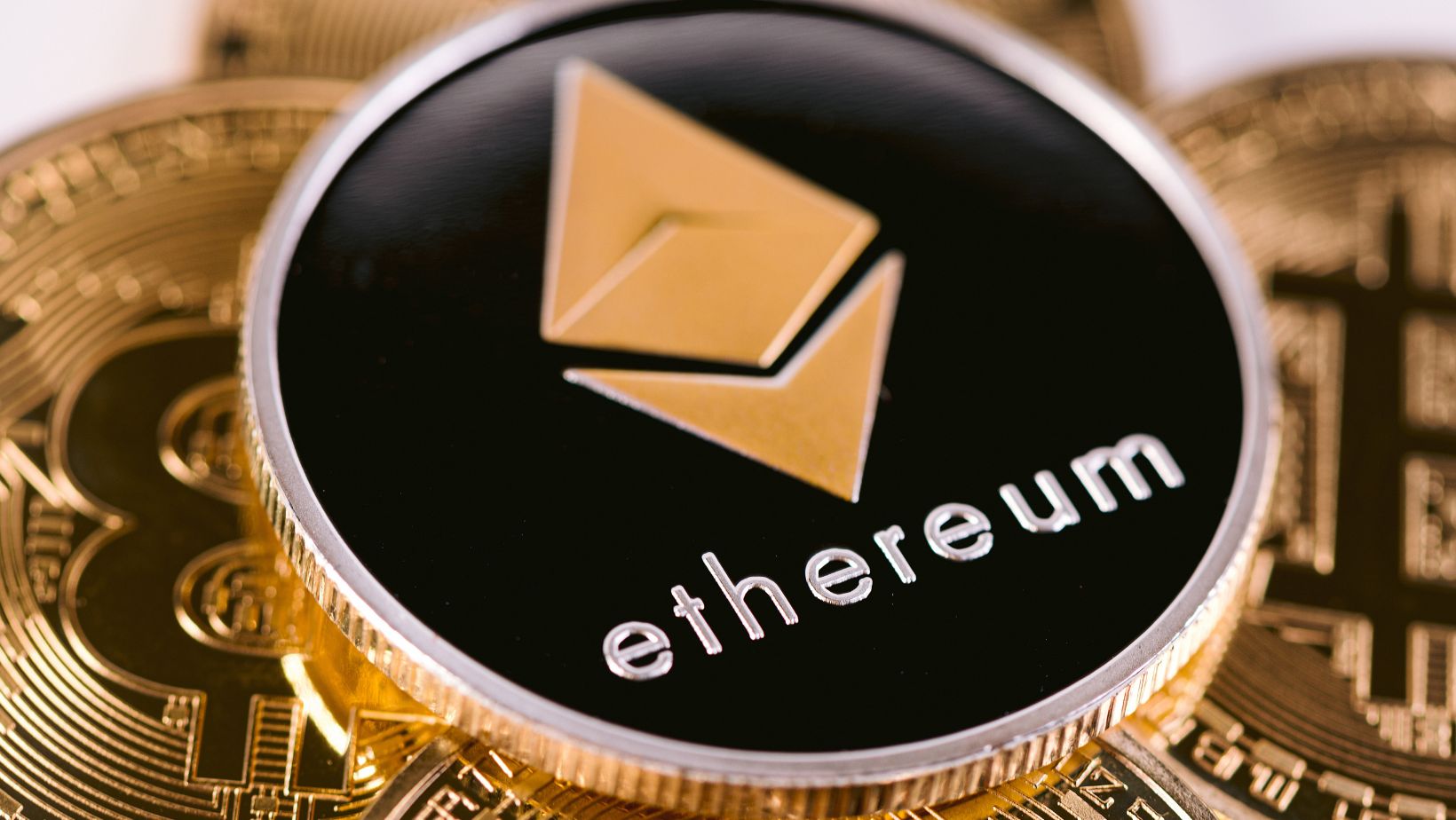
Ethereum has become one of the most influential projects in the crypto ecosystem. It powers thousands of decentralized applications, fuels the NFT market, enables smart contracts, and supports a growing set of real-world financial systems. As more investors look toward crypto for long-term growth, Ethereum stands out as one of the most researched and debated digital assets.
If you’re thinking about investing in Ethereum in 2025, it’s worth understanding the factors that make the project unique and the considerations that come with it. Below is a practical guide to help you make an informed decision.
1. Ethereum Is More Than a Cryptocurrency
Bitcoin is often viewed as “digital gold,” but Ethereum has a different purpose. It’s a programmable blockchain that allows developers to build applications on top of it. These include:
- Decentralized finance platforms
- NFT marketplaces
- Gaming ecosystems
- Stablecoin infrastructure
- Web3 identity systems
This versatility gives Ethereum real utility, which is one reason investors consider it a long-term ecosystem rather than a single currency.
2. The Move to Proof of Stake Changed Everything
Ethereum’s transition from Proof of Work to Proof of Stake dramatically reduced its energy usage and opened the door for more efficient scalability. The change has resulted in:
- Lower energy consumption
- Faster transaction processing
- More predictable network activity
- Reduced supply growth due to staking rewards
Many analysts believe this shift supports Ethereum’s potential to grow as a foundational technology for future digital services.
3. Ethereum Powers the Largest Smart Contract Ecosystem
Smart contracts are automated agreements that run exactly as programmed. They’re used in industries ranging from finance to gaming to supply chain. Ethereum was the first major blockchain to support them at scale, and today it still leads in developer activity.
This persistent developer interest matters because strong ecosystems tend to grow in value. When thousands of developers choose Ethereum over competing blockchains, they help reinforce the network’s long-term position.
4. Competition Is Growing, and Investors Should Pay Attention
While Ethereum has first-mover advantage, it’s no longer the only smart-contract blockchain in the game. Competitors like Solana, Avalanche, and Aptos offer high-speed networks with low transaction fees. These platforms are gaining traction in certain niches, especially in gaming and microtransactions.
However, Ethereum continues to evolve through its upgrade roadmap, which includes improvements to scalability, cost efficiency, and security. Understanding both Ethereum’s strengths and the competitive landscape helps investors assess long-term risk.
5. Layer 2 Networks Are Reshaping Ethereum’s Future
One of the biggest developments around Ethereum is the rise of Layer 2 solutions. These networks sit on top of Ethereum and process transactions more quickly and cheaply while still benefiting from Ethereum’s security.
Popular Layer 2s include:
- Arbitrum
- Optimism
- Base
- zkSync
They dramatically reduce transaction fees and make Ethereum more accessible to everyday users. As Layer 2 adoption grows, Ethereum’s network activity is expected to expand, potentially increasing long-term demand for ETH.
6. Ethereum Can Be Staked for Passive Rewards
Because Ethereum now operates under Proof of Stake, holders can “stake” their ETH and earn rewards for helping validate network transactions. This turns Ethereum into an income-generating asset for many investors.
Staking benefits include:
- Regular rewards
- Strengthened network security
- An additional incentive to hold ETH long-term
However, staking comes with lock-up periods and third-party risks depending on the method, so investors should research their options carefully.
7. ETH Remains One of the Most Accessible Cryptocurrencies
For new investors, Ethereum is one of the easiest digital assets to purchase. It’s supported on nearly every major exchange, and user-friendly platforms like MoonPay make it simple to purchase Ethereum with a debit card, credit card, or bank transfer. Accessibility is a core reason Ethereum continues to attract both beginners and advanced investors.
Should You Invest in Ethereum in 2025?
While no crypto investment is risk-free, Ethereum remains one of the most researched and widely used digital assets. Its value is tied not only to market trends but also to real-world usage across financial, creative and technological sectors.

Investors considering Ethereum should weigh the following:
Pros
- Large and active developer community
- Real utility and broad adoption
- Staking rewards
- Strong roadmap for scalability
- Ecosystem supported by global companies and applications
Potential Risks
- Competition from faster blockchains
- Regulatory uncertainty
- Volatility typical of the crypto market
- Possible delays in future upgrades
Just like any investment, diversification, research and a long-term perspective can help minimize risk.
Final Thoughts
Ethereum’s role in the digital economy continues to grow, making it one of the most compelling crypto investments for people looking beyond short-term speculation. Its ecosystem drives innovation in finance, gaming, identity and decentralized technology.
If you plan to enter the market, learn the fundamentals, understand the risks and choose a reliable platform. Whether you’re exploring Ethereum for the first time or expanding an existing crypto portfolio, staying informed is the best way to navigate the fast-evolving world of blockchain.