
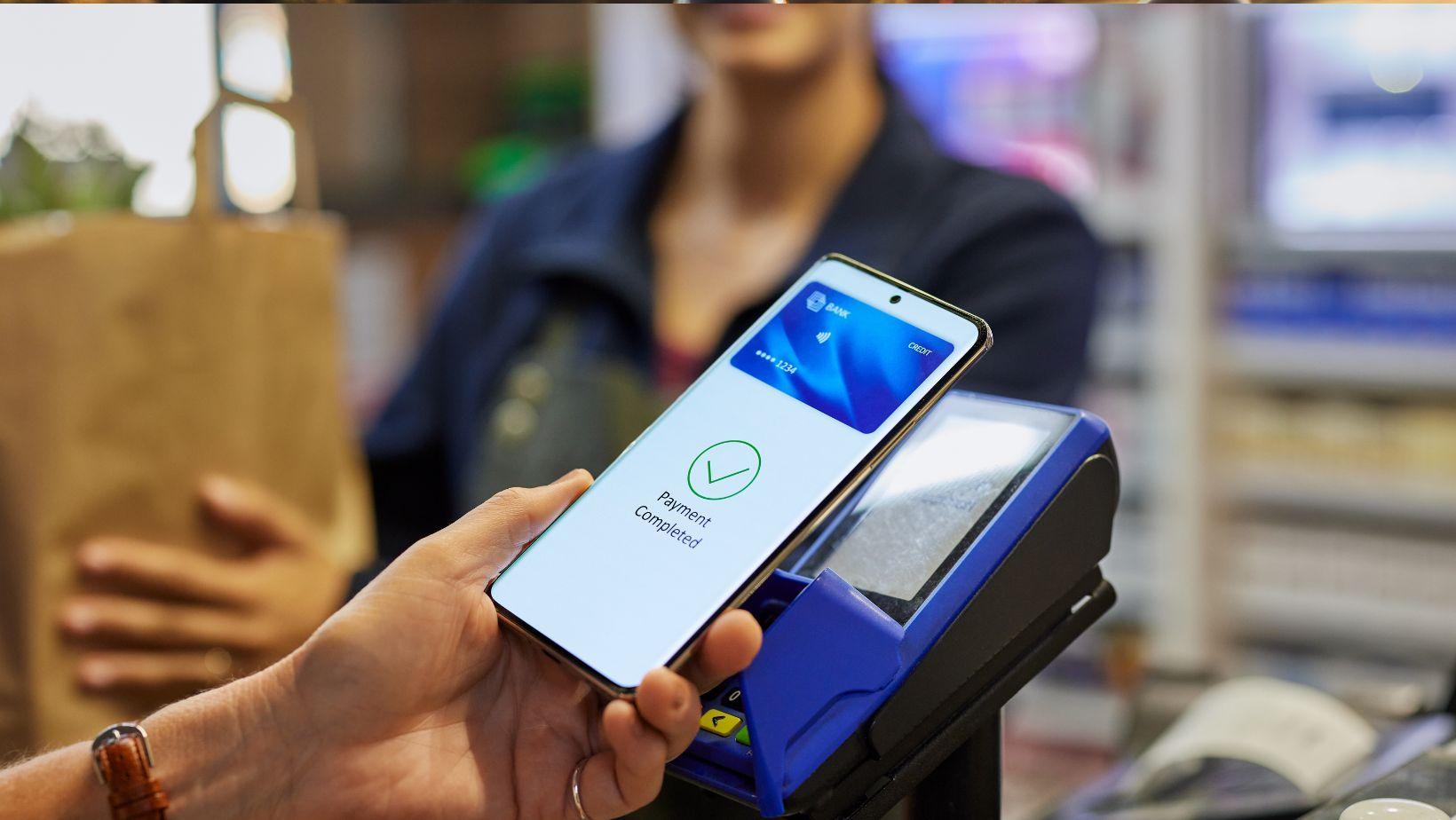
Digital payments are becoming the default way people and businesses exchange money. The shift is being shaped by digital wallets, instant bank payments, artificial intelligence, stronger identity tools, flexible credit, tokenization, and better links between payment networks.
Customers now expect payments to feel almost invisible: fast, secure, available on any device, and built into the services they already use. For businesses, the future is about building a flexible system that can adapt to local preferences, fraud risks, technology, and regulation.
Digital wallets are becoming the main payment interface
Digital wallets have moved far beyond storing card details. They can connect cards, bank accounts, balances, rewards, installment products, and local payment methods in one place.
They now account for 56% of global e-commerce transaction value and 33% of in-person spending. Customers can pay with a familiar device, avoid entering card data repeatedly, and confirm a purchase in seconds.
Wallets do not mean the end of cards. In many markets, cards still fund a large share of wallet transactions. In others, wallets connect directly to bank accounts or domestic instant-payment systems.
Instant payments are changing expectations
Fast payment systems are making bank transfers a stronger alternative to cards. More than 70 countries already have domestic systems that can move money in seconds, often at very low cost.
Account-to-account payments give consumers a quick way to pay without entering card details. For merchants, they can support faster settlement and lower processing costs. The next step is interoperability. Payment networks are working to connect domestic instant-payment systems across borders, which could make international transfers faster and more transparent.
BNPL is becoming part of everyday finance
Buy now, pay later is maturing. It is no longer limited to younger shoppers or a small group of online retailers. Consumers use installment options across travel, electronics, home improvement, fashion, and other categories.
BNPL apps already represent about $300 billion in global e-commerce value. Providers are also expanding into wallets and other financial services.
For merchants, flexible payment terms work best where they improve conversion and customer value. Clear pricing, responsible lending, and simple repayment terms remain essential.
Cross-border payments are becoming more connected
International payments still suffer from high fees, currency-conversion costs, slow transfers, and limited visibility into when money will arrive.
Domestic instant-payment systems are being linked across borders, while non-bank payment providers are increasing competition. New infrastructure can move money between countries through standardized connections.
The direction is clear: cross-border payments are moving toward faster settlement, better fee transparency, broader access, and more choice.
AI will manage more of the payment journey
Artificial intelligence is already used to detect fraud, score transaction risk, improve authorization, and identify unusual behavior. Its role is expanding into payment routing, reconciliation, failed-payment recovery, and checkout personalization.
AI can help choose the provider or payment rail most likely to approve a transaction at the best cost.
A bigger change is the rise of AI agents that can search, compare, and complete purchases for users. Payment systems will need to verify both the customer and the permission given to the software acting on that customer’s behalf.
As commerce becomes more automated, trust and identity will matter as much as speed.
Passkeys and biometrics will reduce friction
Security is moving toward authentication methods that create less friction. Fingerprints and facial recognition are already common in mobile payments. Passkeys go further by replacing passwords and one-time SMS codes with cryptographic credentials stored on a user’s device.
This can make phishing harder and shorten checkout by letting customers confirm a payment with the same method they use to unlock their phone.
For merchants, the goal is not more verification steps, but smarter checks in the background.
Tokenization will grow, but trust stays central
Tokenization can represent money or assets on programmable infrastructure, making it possible to automate settlement and attach rules to transactions.
Stablecoins show some of this potential, especially for always-on and cross-border payments. However, regulators and central banks continue to highlight risks around reserves, compliance, financial stability, and the reliability of private forms of money.
The likely future is a mixed ecosystem where tokenized bank money, regulated digital assets, instant-payment rails, cards, and wallets coexist.
Payment orchestration becomes core infrastructure
More payment choice creates more complexity. A global merchant may need several acquiring banks, local wallets, bank-transfer methods, fraud tools, currencies, and compliance rules.
A similar API-first model is common in other digital industries. For example, an online casino games API can connect a platform to multiple content providers through a single integration. Payment orchestration follows a comparable principle by giving businesses one layer for managing different payment methods, processors, fraud tools, and acquiring partners.
Payment orchestration brings these pieces together. It can route transactions across providers, retry failed payments, manage local methods, improve reporting, and reduce dependence on a single processor.
Businesses increasingly need systems that decide how a payment should move based on cost, approval probability, location, risk, and customer preference.
What businesses should focus on next
The strongest payment strategy combines choice with simplicity. Companies should support the methods customers actually use in each market. They should invest in passkeys, fraud prevention, real-time monitoring, and flexible infrastructure without making checkout more complicated.
Payment systems should make it easy to add providers, change routing rules, enter new markets, and respond to regulation. Better payment data can improve fraud models, authorization, reconciliation, and customer support.
The future of digital payments will not be defined by one winning technology. It will be a connected, multi-rail ecosystem in which wallets, cards, bank payments, installments, and tokenized money work side by side.
For consumers, the best payment will be the one they barely notice. For businesses, success will depend on making that invisible experience fast, secure, local, and reliable.