
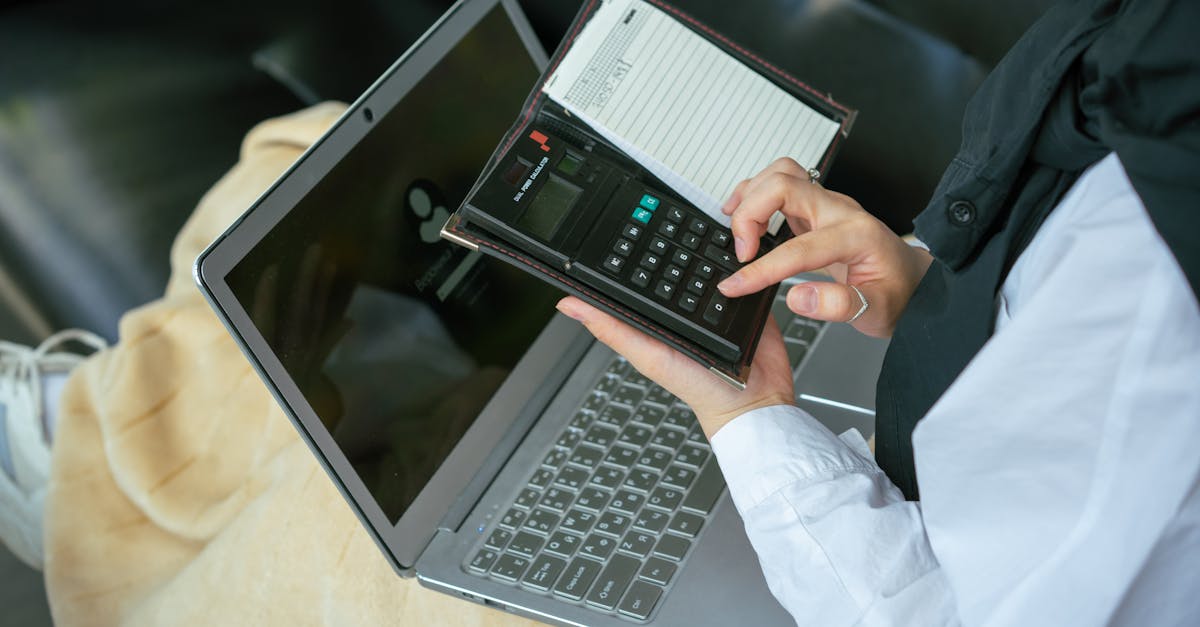
Picture this: It’s 7:13 a.m. on a muddy jobsite. Your phone buzzes—again. The concrete crew wants to know if they can pour today. The project manager texts about a missing invoice. Your client emails, asking why the budget report looks off. If you’ve ever felt your stomach drop at the words “over budget,” you’re not alone. Construction budgeting software isn’t just a fancy spreadsheet. It’s the difference between chaos and control, between profit and panic.
Why Construction Budgeting Software Matters
Let’s be honest. Construction projects rarely go exactly as planned. Weather delays, material price hikes, and last-minute change orders can turn a simple job into a financial headache. Old-school spreadsheets can’t keep up. Construction budgeting software gives you real-time numbers, tracks every dollar, and helps you spot trouble before it hits your bottom line.
Here’s the part nobody tells you: Most budget overruns don’t come from one big mistake. They sneak in through dozens of tiny leaks—missed receipts, forgotten change orders, or a supplier who “accidentally” charges you twice. Good software catches these leaks before they sink your project.
What Is Construction Budgeting Software?
Construction budgeting software is a digital tool that helps contractors, project managers, and owners plan, track, and control project costs. It connects estimates, actual expenses, and forecasts in one place. The best tools let you:
- Build detailed budgets with real numbers
- Track spending in real time
- Compare estimates to actual costs
- Manage change orders and approvals
- Generate reports for clients and stakeholders
If you’ve ever tried to explain a blown budget to a client, you know how valuable clear, up-to-date reports can be.
Who Needs Construction Budgeting Software?
If you run a one-man handyman shop and do three jobs a month, you might get by with a notebook and a calculator. But if you manage multiple projects, juggle subcontractors, or answer to investors, construction budgeting software is your safety net. It’s for:
- General contractors managing several jobs at once
- Project managers who need to track every penny
- Owners who want transparency and control
- Accountants tired of chasing down receipts
It’s not for people who love surprises or enjoy explaining cost overruns. If you like sleeping at night, you’ll want this tool.
Key Features to Look For
Not all construction budgeting software is created equal. Some tools promise the moon but deliver a clunky interface and endless frustration. Here’s what actually matters:
- Real-Time Cost Tracking: You need to see where your money’s going, right now—not at the end of the month.
- Change Order Management: Change happens. Good software makes it easy to update budgets and get approvals fast.
- Integration with Accounting: If your budgeting tool doesn’t talk to your accounting software, you’ll waste hours on double entry.
- Customizable Reports: Clients want details. You want clarity. Look for software that makes reporting painless.
- Mobile Access: You’re not always at your desk. The best tools work on your phone or tablet, even with muddy hands.
Here’s why these features matter: They save you time, reduce mistakes, and help you make smarter decisions. You’ll spend less time chasing paperwork and more time building.
Common Mistakes (And How to Avoid Them)
I once watched a project manager lose $15,000 because he missed a single change order buried in his email. He thought his spreadsheet was “good enough.” It wasn’t. Here are the mistakes I see most often:
- Relying on manual spreadsheets that get out of sync
- Ignoring small overruns that add up fast
- Failing to update budgets when change orders come in
- Not training the team on new software
Want to avoid these? Pick construction budgeting software that fits your workflow, not the other way around. Set up alerts for overruns. Make sure everyone—from the field to the office—knows how to use it. And don’t be afraid to ask for help. Most vendors offer free training or support.
How to Choose the Right Construction Budgeting Software
Choosing the right tool can feel overwhelming. There are dozens of options, each promising to solve all your problems. Here’s how to cut through the noise:
- List your must-haves. Do you need mobile access? Integration with QuickBooks? Start there.
- Test drive a few options. Most companies offer free trials. Load a real project and see how it feels.
- Ask your team. The best software is the one your people will actually use.
- Check support and training. You’ll hit snags. Make sure help is easy to reach.
- Watch for hidden costs. Some tools charge extra for features you’ll need. Read the fine print.
If you’ve ever bought software that sat unused because it was too complicated, you know the pain. Simple beats fancy every time.
Real-World Results: What Success Looks Like
Let’s get specific. A mid-sized contractor in Texas used construction budgeting software to track costs on a $2.5 million school renovation. Before, they’d lose track of small expenses—$200 here, $500 there. After switching, they caught a $7,000 duplicate invoice and flagged a supplier overcharge before it hit their account. The project finished $18,000 under budget. That’s not magic. That’s visibility.
Another project manager told me he used to spend two hours every Friday updating spreadsheets. With the right software, it takes him 15 minutes. He spends the extra time with his kids instead of staring at numbers. That’s the real payoff.
Tips for Getting the Most from Construction Budgeting Software
Ready to make the leap? Here’s how to get the most out of your new tool:
- Start with one project. Don’t try to switch everything at once.
- Train your team. Even the best software is useless if nobody knows how to use it.
- Set up alerts for budget overruns and missing approvals.
- Review reports weekly, not just at the end of the month.
- Keep your data clean. Garbage in, garbage out.
Remember, the goal isn’t just to track costs. It’s to make better decisions, faster. The right construction budgeting software gives you the confidence to say “yes” or “no” with real numbers behind you.
Final Thoughts: Is Construction Budgeting Software Worth It?
If you’ve ever lost sleep over a project budget, you already know the answer. Construction budgeting software isn’t just for big companies or tech geeks. It’s for anyone who wants to run smarter projects, avoid nasty surprises, and keep clients happy. The right tool pays for itself the first time it catches a mistake or saves you an hour of busywork.
So, if you’re tired of guessing where your money’s going, give construction budgeting software a try. Your future self—and your bottom line—will thank you.