
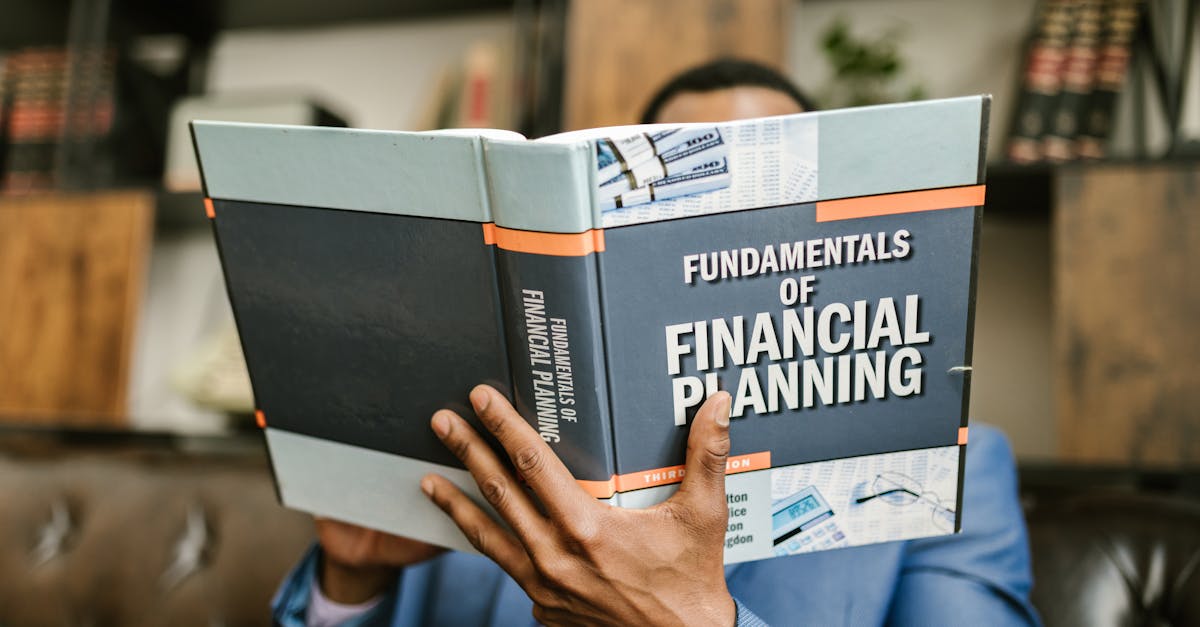
Picture this: It’s 2 a.m., your phone buzzes with a bank alert, and your stomach drops. Another overdraft fee. If you’ve ever stared at your account, wondering where your paycheck vanished, you’re not alone. A budgeting book can change that story. Not just any budgeting book, but one that feels like a friend who’s been there, made the mistakes, and found a way out. Let’s break it down—why do some people seem to have money figured out, while others feel stuck in a loop of stress and surprise expenses?
Why Most Budgets Fail (And How a Budgeting Book Can Help)
Here’s the part nobody tells you: Most budgets fail because they’re built on guilt and guesswork. You jot down numbers, swear you’ll stick to them, and then life happens. A budgeting book isn’t just a spreadsheet with a cover. The right one teaches you to see your money habits, not just your math mistakes. It’s about understanding why you buy that $6 latte when you promised yourself you wouldn’t. It’s about learning from the time you blew your grocery budget on snacks because you shopped hungry.
Real Stories, Real Change
I once spent $200 on takeout in a single month. I told myself I was too busy to cook, but the truth? I was avoiding my kitchen because it reminded me of my failed attempts at meal prep. A good budgeting book doesn’t just give you numbers—it gives you stories, strategies, and a sense that you’re not the only one who’s messed up.
What Makes a Budgeting Book Worth Your Time?
If you’ve ever flipped through a budgeting book and felt your eyes glaze over, you know the pain of dry advice. The best budgeting books do three things:
- They make you feel seen. You recognize your own struggles in the pages.
- They give you tools you’ll actually use—like a simple envelope system or a “no spend” challenge that doesn’t feel like punishment.
- They help you build habits, not just track numbers.
Here’s why that matters: Habits stick when they fit your real life. If you hate spreadsheets, a budgeting book that pushes apps and charts won’t help. But if it shows you how to set up a cash jar for Friday night pizza, you’ll remember—and use—it.
Who Should Read a Budgeting Book?
This isn’t for people who already have color-coded binders and a six-month emergency fund. If you’re just starting out, living paycheck to paycheck, or tired of feeling anxious every time you swipe your card, a budgeting book is for you. It’s also for anyone who’s tried and failed before. If you’ve ever thought, “I’m just bad with money,” you need to know that’s not true. You just haven’t found the right approach yet.
Who Might Not Need One?
If you already track every dollar, save consistently, and feel calm about your finances, you might not need a budgeting book. But if you want new ideas or a fresh perspective, even the most seasoned saver can pick up a trick or two.
Key Lessons from the Best Budgeting Books
Let’s get specific. The best budgeting books teach you:
- Track every dollar—not to shame yourself, but to see patterns. Did you know most people underestimate their spending by 20%?
- Automate savings so you don’t have to rely on willpower. Set up a transfer the day you get paid.
- Give every dollar a job. If you don’t, your money will wander off—usually to online shopping or takeout.
- Plan for fun. Budgets that ignore joy never last. Build in money for movies, hobbies, or that fancy coffee.
- Forgive yourself when you mess up. Everyone blows their budget sometimes. The trick is to get back on track, not give up.
Here’s the kicker: The right budgeting book doesn’t just tell you what to do. It helps you figure out why you do what you do—and how to change it.
How to Choose the Right Budgeting Book for You
Not all budgeting books are created equal. Some are packed with charts and jargon. Others read like a pep talk from a friend. Here’s what to look for:
- Relatable stories. If the author admits to their own money mistakes, you’ll trust their advice.
- Simple, actionable steps. You want tips you can try today, not just theory.
- Flexible systems. Life changes. Your budget should, too.
- Encouragement, not shame. If a budgeting book makes you feel bad, toss it. You need support, not scolding.
Ask yourself: Do you want a budgeting book that’s all about numbers, or one that helps you change your habits? Do you prefer worksheets, or do you want stories and real-life examples?
Action Steps: Start Your Budgeting Journey
Ready to try what you’ve read? Here’s a quick start guide inspired by the best budgeting books:
- Write down every expense for one week. Don’t judge—just notice.
- Pick one area to cut back. Maybe it’s takeout, maybe it’s subscriptions you forgot about.
- Set a tiny savings goal. Even $5 a week adds up.
- Celebrate small wins. Saved $20? Treat yourself to a homemade latte.
- Check in weekly. Adjust as you go. Budgets aren’t set in stone.
If you slip up, remember: Every budgeting book author has, too. The goal isn’t perfection—it’s progress.
What Nobody Tells You About Budgeting Books
Here’s the secret: The best budgeting book isn’t about money. It’s about freedom. It’s about sleeping better because you know you’ve got rent covered. It’s about saying yes to a weekend trip because you planned for it. It’s about feeling proud, not panicked, when you check your balance.
If you’ve ever felt like you’re just not “good with money,” know this: That’s a story you can rewrite. The right budgeting book is your pen. Start today, and watch your story change—one page, one dollar, one small win at a time.