
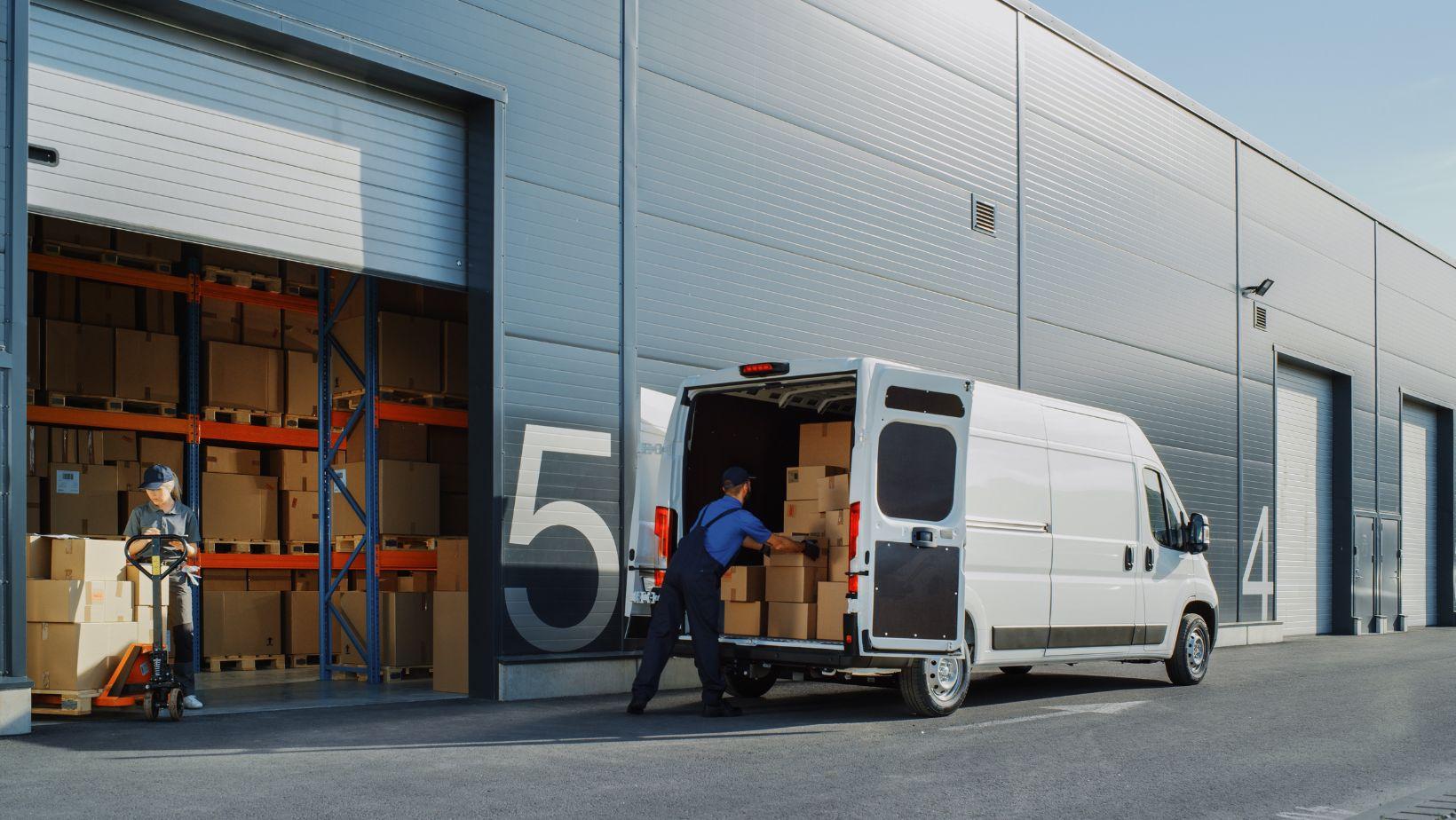
You’ve probably seen furniture, ladders, or other items riding in the back of a truck. Many people don’t realize that improperly loaded cargo creates a serious hazard for everyone on the road.
When an accident occurs because cargo falls, shifts, or spills into traffic, questions about liability follow. People involved in the accident often seek out a car accident lawyer to better understand their legal options.
Unsecured cargo is a preventable hazard that contributes to thousands of traffic incidents each year. It doesn’t matter if the cargo belongs to a private driver, a moving company, or a commercial truck operator. Failing to secure a load properly puts other drivers at risk.
Even small objects can become dangerous when falling from a vehicle. Never assume any unsecured cargo is safe.
Unsecured Cargo Creates Dangerous Road Conditions
Many people assume the greatest danger occurs when a large object falls into traffic. While that certainly happens, unsecured cargo creates several risks that may lead to accidents.
One common scenario involves cargo falling from a vehicle and striking another vehicle. Items such as tools, mattresses, and appliances often cause damage when they hit a moving vehicle. The larger and heavier the object, the more serious the damage.
Another danger occurs when drivers attempt to avoid debris in the roadway. A driver may suddenly swerve to avoid a ladder, cooler, tire, or piece of furniture.
These split-second reactions can lead to collisions with other vehicles, guardrails, medians, or roadside objects.
Cargo doesn’t even have to fall from a vehicle to create a hazard. A load that shifts unexpectedly can affect the driver’s ability to control the vehicle. This can become deadly when carrying heavy items in pickup trucks, commercial vehicles, vans, or moving trucks.
Visibility can also become a concern. Improperly loaded cargo may block a driver’s view through mirrors or rear windows. Reduced visibility makes it harder to change lanes, monitor surrounding traffic, or identify hazards ahead.
Road debris created by unsecured cargo also remains dangerous long after it falls. Objects left on the roadway may cause accidents involving multiple vehicles as drivers encounter the obstruction at different times.
The Hidden Dangers of Shifting Cargo
Many drivers focus on preventing cargo from falling out of a vehicle. However, shifting cargo inside a vehicle is just as dangerous.
When cargo moves unexpectedly, it can change a vehicle’s balance. This often makes the vehicle more difficult to handle.
A sudden shift in weight may make steering more difficult or affect braking ability. Drivers may struggle to maintain control, especially during turns, emergency maneuvers, or sudden stops.
The risk increases when heavy objects are transported without proper restraints.
Large appliances, furniture, and building materials can slide or tip during normal driving conditions. Even a moderate turn may cause unsecured cargo to shift enough to affect vehicle stability.
Cargo can become even more dangerous during a collision. Unsecured objects may keep moving after the vehicle stops. This can turn ordinary items into projectiles capable of causing serious injuries to drivers and passengers.
Any driver transporting cargo should consider the risks. Getting a refrigerator across town isn’t worth the risk if you’re putting other people in danger. It’s best to safely secure your cargo before driving.
Simply placing an item in the cargo area doesn’t guarantee it will remain secure during sudden braking or an accident.
Who Is Liable for an Unsecured Cargo Accident?
The driver transporting the cargo is often responsible. Drivers have a duty to ensure their loads are properly secured before entering public roadways. Failing to use appropriate straps, tie-downs, restraints, or loading methods is often considered negligence.
Commercial vehicle operators often face additional requirements regarding cargo securement. It’s to assure the safety of the driver and other vehicles on the road.
Trucking companies, delivery services, and other commercial carriers are responsible for following regulations designed to reduce cargo-related accidents. Failure to comply with these standards is often considered negligent activity.
The responsibility may also extend beyond the driver. Whoever loaded the cargo may share liability. If a trucking company loads cargo incorrectly, they’ll likely share liability with the driver.
Determining fault isn’t always as easy as it sounds. Sometimes the at-fault party is obvious. But in other cases, it may take photographs, witness statements, vehicle damage, surveillance footage, and police reports to help determine fault. Cargo securement methods may also come under scrutiny.
The goal is to determine how the cargo became unsecured and whether reasonable precautions were taken.
Liability is even more complicated when multiple vehicles are involved. A single piece of debris may trigger a chain-reaction collision involving several drivers. Investigators will need to determine whether the cargo directly caused the crash or if other factors contributed to the accident.
Drivers rarely have much time to react when cargo suddenly appears in their path. Even a brief delay in reaction time can lead to a collision.
High-Risk Vehicles
Motorcyclists and bicyclists face particularly high risks. A rider who strikes road debris may lose control. The rider may be thrown and suffer serious injuries. Unlike occupants of passenger vehicles, motorcyclists and bicyclists have little protection during a crash.
Large cargo items can also cause significant damage. A falling ladder, piece of lumber, or appliance may cause serious injuries when it strikes a vehicle or forces a driver off the road.
Multi-vehicle crashes are another concern. One driver’s attempt to avoid debris can trigger a series of collisions involving several vehicles. These chain-reaction accidents often increase the number of injured victims and complicate the process of determining fault.
The financial consequences can be significant as well. Medical bills, lost income, vehicle repairs, and long-term rehabilitation costs may create substantial burdens for injured individuals and their families.
The bottom line is that cargo should always be secured before transport.
Items such as straps, tie-downs, cargo nets, and restraints are available for securing cargo. Loads should be balanced properly and inspected before travel begins. It’s also a good idea to stop periodically during longer trips to confirm that cargo remains secure.
Even routine trips can become dangerous when cargo isn’t loaded correctly. A short drive across town can present the same risks as a long-distance highway trip.
The dangers of driving with unsecured cargo are often underestimated. Falling debris, shifting loads, blocked visibility, and sudden evasive maneuvers can all contribute to serious crashes.
When injuries result from an unsecured cargo accident, an experienced car accident lawyer like the annorneys at Thomas Law Offices may help explain how fault, liability, and insurance coverage apply to the situation.