
Most AI video still fails in the same place: the clip is pretty for five seconds, then you need a beginning, a proof, and a hold. Teams stitch three orphans. The jacket changes. The bottle grows a new label. Viewers do not say “latent drift.” They bounce.
Seedance 2.5 is ByteDance’s newer multimodal video model for that middle job: a coherent 4–30 second pass from text plus image, video, and audio references, with second-level direction, storyboard-friendly control, and room to revise a segment instead of gambling a whole reroll. It is not a desktop NLE. It is not a six-minute movie button. It is the engine you send a timed brief to when stitching is the expensive part.
ByteDance’s Seed team framed the upgrade as one-take creation and heavier referencing — clips up to thirty seconds in a single generation, with a much fatter multimodal kit than the 2.0-era 15-second window. THE DECODER’s report on the Volcano Engine rollout made the same headline: the interesting number is duration in one pass, not another adjective for “cinematic.”
What actually changed from the 15-second habit
Seedance 2.0 already mattered because it treated audio as part of generation and let you mix stills and clips. The production complaint that survived was length. Fifteen seconds is a hook. It is rarely a feature explanation, a chorus, or a product proof with a CTA hold.
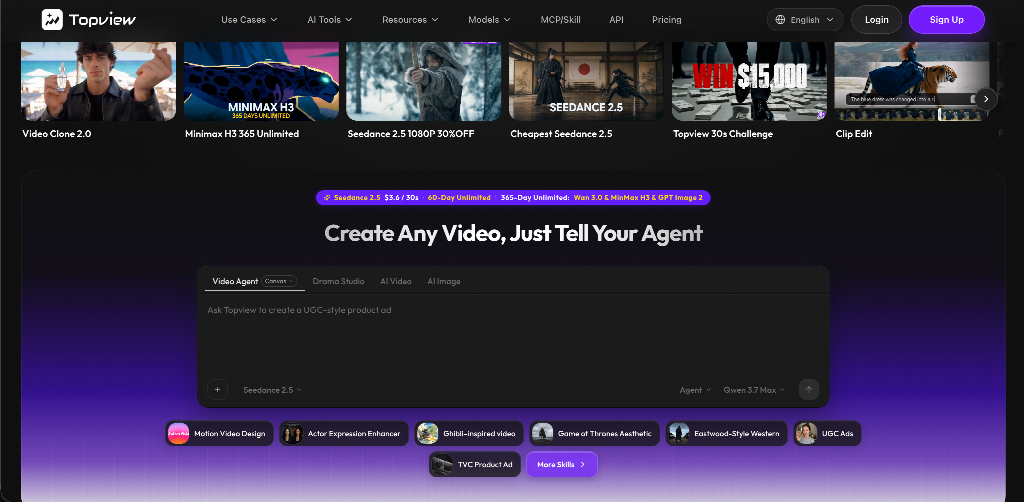
On hosted workflows such as Topview, the visible 2.5 envelope is roughly:
- 4–30 seconds in one generation
- Up to 50 references (as many as 30 images, 10 videos, 10 audio files, within duration caps)
- Timestamped direction so you can write 0–6s / 6–18s / 18–30s instead of a vibe
- Local segment edits when second eighteen is the only failure
- Multilingual dialogue and clearer on-screen text, still worth a mute-and-watch pass
Do not import every homepage’s 4K claim into every portal. Topview’s documented export ceiling for this lane is up to 1080p. Confirm the generator in front of you. Dreamina and other ByteDance surfaces may show different resolution options; that is a host setting, not a reason to write “native 4K” into a brief you will later regret.
How to direct it like coverage, not like a slogan
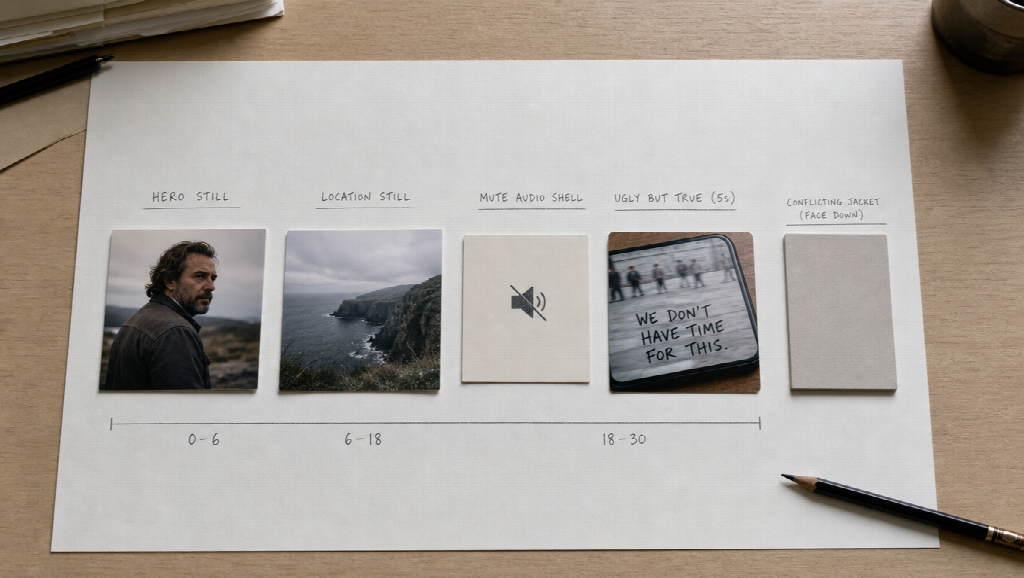
A usable 2.5 brief looks like a tiny shot list:
“0–6s wide of the same shopfront from the still; 6–18s three-quarter, same navy coat, label readable; 18–24s hands on the tin; 24–30s hold for a URL — no new signage, no daylight swap.”
Attach the kit with jobs, not a junk drawer. Two jackets is an argument. A music file you own is pace. A five-second ugly pan from a real phone can be motion language. Storyboards, contact sheets, or a simple previs still beat “make it epic.”
If the collar changes, fix the stills. If only the last beat is wrong, edit that interval. If you needed a six-minute film, board sections and cut. The model completes a beat. You still finish a piece.
For background on how text-conditioned video generation evolved as a category — not as a vendor pitch — the overview on Wikipedia’s text-to-video page is a clean primer. The practical leap in 2.5 is not “video from words exists.” It is words plus a kit, for half a minute, without a splice every eight seconds.
Who it is for this week
Product and fashion teams with photography already shot. The still is the lock. Motion is the argument.
Marketers who need one 16:9 proof and a 9:16 cousin from the same references, not two different products.
Short narrative tests — a scene with a walk, a turn, a hold — where character and room have to survive the middle.
Avatar-style explainers when the copy is yours and you will check lip sync yourself. Do not publish a 90% claim you did not measure.
It is a poor fit as a replacement for a live interview, a customer who actually bought, or a legal walkthrough. It is a poor fit if you refuse to look at a still before you generate.
Limits worth saying out loud
Complex physics and crowd interaction still artifact. Access and queue times depend on the front end. Credits are studio time, not unlimited stock. Commercial use follows the plan and licence on the account that exported the file. Creative oversight did not go away; it moved earlier, into the kit and the timestamps.
A short way to try it
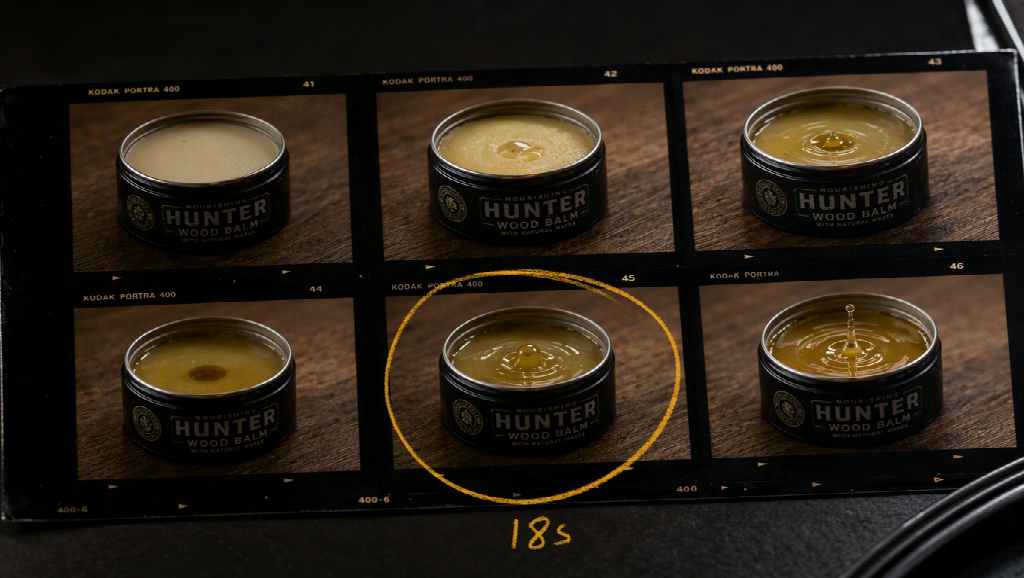
- Pick one job: a 20-second proof, not “our brand film.”
- Load three non-conflicting stills and, if you have it, the mix.
- Write seconds and negatives.
- Generate once. Score identity before beauty.
- Change one variable and reroll the weak interval.
Seedance 2.5 will not invent a crew you never hired. It will take the stills you already paid for and give them a continuous 15–30 second argument. That is a smaller promise than “the evolution of production.” It is the one that survives a review meeting.